Fire extinguishers don’t have to be complicated. Crusader Fire’s UK fire extinguisher guide tells you everything you need to know about classes of fire, types of extinguishers, and current UK regulations. Read our guide or contact the team for support.
The Regulatory Reform (Fire Safety) Order 2005 (RRO) is the primary fire extinguisher regulation for the UK. It applies to businesses, public buildings, and landlords. These regulations cover the following:
The minimum number of fire extinguishers required. A fire risk assessment will determine the correct number for your commercial premises.
A fire risk assessment. Regular risk assessments are required for business owners and landlords. This ensures that fire protection measures are adequate.
The location and accessibility of extinguishers. Fire extinguishers should be clearly visible and easily accessible. They must also be positioned near exits or areas of fire risk.
The correct fire extinguishers for the risk. Fire extinguishers must be suitable for the fire risks present. Our guide helps you find the right type.
Staff training in fire safety and the use of extinguishers. Basic fire safety procedures and how to use fire extinguishers is critical for employee training.
Servicing and maintenance. BS 5306-3 states that a competent person must inspect and service fire extinguishers at least once a year in order to effectively maintain them.
Categories of Fire Extinguishers, Types of Fires and Your UK Fire Extinguisher Guide
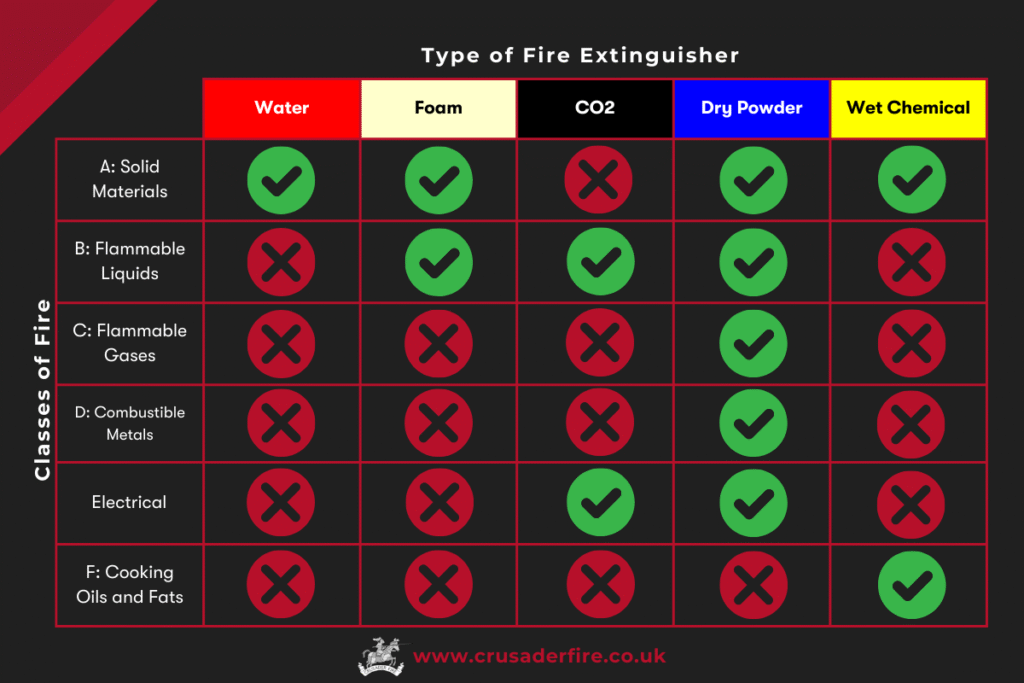
There are different fire extinguisher categories to deal with different classes of fires. For example, a foam extinguisher is unsuitable for cooking oil fires but works well against other flammable liquids. Discover the difference between fire extinguisher colours and fire classes.
Fire Extinguisher Types
Water Fire Extinguishers
Water extinguishers are the most common and inexpensive. Featuring the distinctive ‘signal red’ colour label, they can be found in the majority of buildings. They are best suited for solid combustibles. Experts recommend not using water fire extinguishers on liquid or electrical fires.
Foam Fire Extinguishers
Foam extinguishers are the second most common and feature a cream label. These water-based foam extinguishers are ideal on solid combustibles and flammable liquid fires, as they form a barrier to smother the fire and prevent potential reignition. They are not recommended for domestic use.
CO2 Fire Extinguishers
Carbon Dioxide extinguishers have a distinctive black label on them and are primarily used to deal with electrical fires. For this reason, they are commonly seen in office blocks and server rooms, and work vehicles must carry a 2kg CO2 extinguisher as standard. They are safe to use on both high and low electrical voltage.
Dry Powder Fire Extinguishers
The blue-labelled dry powder extinguishers, sometimes referred to as ABC fire extinguishers, are versatile in their use but not suitable for enclosed spaces. The powder is difficult to clean, can easily be inhaled, and can obscure vision. They can be safely used on electrical items up to 1000 volts.
Wet Chemical Fire Extinguishers
Wet chemical extinguishers are specialists featuring yellow labels. They are designed to treat fires involving cooking oils and fats by creating a soapy layer to prevent reignition and cool the fire, making them a common sight in commercial kitchens. They are designed for use on extremely high temperature fires.
Our fire safety training helps your team understand what to do in case of a fire. They’ll benefit from preparedness, risk reduction, and fire safety awareness to give you and your team complete peace of mind. Read some of the reviews on our training and schedule yours today.
Fires are classified by the materials involved in the fire. Different fires require different extinguishers to prevent their spread and successfully extinguish the flames.
Class A: solid materials
Class A fires involving solid materials such as wood, paper, and textiles require one of the following extinguishers:
Water fire extinguishers (red label)
Foam fire extinguishers (cream label)
Dry powder fire extinguishers (blue label)
Wet chemical fire extinguishers (yellow label)
Class B: flammable liquids
Flammable liquids such as petrol, solvents, and most oils (not including cooking oils) are considered Class B fires. The best extinguishers for these fires are:
Foam fire extinguishers (cream label)
CO2 fire extinguishers (black label)
Dry powder fire extinguishers (blue label)
Class C: flammable gases
Class C fires involve flammable gases such as propane and butane. These fires require a specialist extinguisher to effectively extinguish them.
Dry powder fire extinguishers (blue label)
Class D: combustible metals
Combustible metals, like lithium and magnesium, are counted as Class D fires. They als require a specialist extinguisher to deal with:
Dry powder fire extinguishers (blue label)
Electrical fires
Electrical fires are in a class of their own. They need a specialist fire extinguisher to prevent the spread of fire, extinguish the flames, and reduce the risk of electrocution.
CO2 fire extinguishers (black label)
Dry powder fire extinguishers (blue label)
Class F: cooking oil and fat
Class F fires involve cooking oils and fats. The way that these fires burn means that they cannot be tackled with traditional extinguishers used for flammable liquids. For those, you have to use a specialist extinguisher:
Wet chemical fire extinguishers (yellow label)
Unsure about which fire extinguisher to use? Our handy guide below should help, telling you the different fire extinguisher colours, fire classes, and when to use them.
Is Your Business Equipped to Handle Fires?
Fire safety training and the correct use of fire extinguishers should be essential in every business. Failure to follow UK fire regulations and incorrect training can be hazardous, which is where Crusader Fire comes in.
Our tailored training can help your team with:
Fire safety awareness
Fire warden training
Fire extinguisher training
The training programs are run by expert instructors at your place of work. Don’t take chances when it comes to fire safety – get a free quote for training today.
Understanding safety signs and what they mean is crucial for preventing accidents and staying compliant with safety regulations. This guide will explain different safety signs and what they mean so you can recognise and react to them effectively.
Key Takeaways
Safety signs are essential for conveying critical information about workplace hazards, thereby preventing accidents and promoting a safer environment.
Different types of safety signs, including prohibition, warning, mandatory, and emergency exit signs, serve distinct purposes and must be understood to ensure effective communication of safety measures.
Regular maintenance, proper placement, and compliance with regulatory standards are crucial for maintaining the visibility and effectiveness of safety signs in the workplace.
Comprehensive Guide to Safety Signs and What They Mean
Safety signs play a crucial role in occupational safety, designed to convey important information clearly to ensure everyone within a workplace understands potential hazards and necessary precautions. The primary objective of safety signs is to prevent accidents and mitigate risks, thereby creating a safer work environment for all.
Effective safety signs must be clear and easy to understand for anyone, regardless of language or background. This clarity is achieved through universally recognised symbols and straightforward language, enhancing comprehension and ensuring the message is effectively conveyed.
Safety signs come in various forms, indicating prohibitions, warnings, mandatory actions, and emergency exits. Unambiguous directions from these signs help maintain safety and compliance with regulations. The proper implementation and understanding of these signs are vital for minimising accidents and promoting a culture of safety in any workplace.
In workplaces where health and safety are paramount, safety signs serve as essential components of the safety strategy. They constantly remind employees of potential hazards and necessary precautions, fostering a proactive safety approach. Proper utilisation of safety signs can significantly enhance safety protocols and ensure a safer working environment.
Introduction
Safety signs are foundational to any effective workplace safety program, providing visual cues that help prevent accidents and injuries by clearly indicating risks and required actions. Proper implementation of these signs can significantly reduce the likelihood of accidents, ensuring a safer environment for both employees and visitors.
Understanding the different types of safety signs and their meanings is crucial for effective communication of safety measures and compliance with health and safety regulations.
Understanding Safety Signs
Safety signs are integral to maintaining a safe work environment, serving as visual signals that communicate important safety information and guide individuals on avoiding potential hazards. Their role in preventing accidents and ensuring health and safety is paramount, providing clear indications that help reduce the risk of injury.
What are Safety Signs?
Safety signs are pictograms designed to convey critical safety-related information. Their main function is to avert accidents and injuries by delivering straightforward and concise safety messages.
These signs play a crucial role in informing individuals about potential hazards and the necessary precautions to take, thereby creating a safer working environment with health and safety signs.
Why Are Safety Signs Important?
Safety signs communicate safety instructions and warnings effectively, especially when risks cannot be entirely eliminated through other measures. Prohibition signs, for example, protect employees from engaging in hazardous behaviour that could lead to accidents.
Proper installation and understanding of these signs increase safety and compliance, fostering a safer workplace.
Types of Safety Signs and Their Meanings
Safety signs are categorised into different types, each serving a unique purpose in maintaining workplace safety. The primary categories include Prohibition, Warning, Mandatory, and Emergency Exit signs, each playing a critical role in informing employees about potential hazards and required actions to mitigate risks.
Understanding these categories helps organisations use the most appropriate signs to enhance safety and compliance.
Prohibition Signs
Prohibition signs indicate actions that are not allowed, typically represented by a circular red band with a diagonal line through it to ensure clear communication.
Prohibition signs prevent unsafe behaviours, helping maintain a safer working environment.
Warning Signs
Warning signs alert individuals to potential hazards or dangers, characterised by their equilateral triangle shape, which quickly draws attention to possible risks. Warning signs increase awareness, playing a vital role in preventing accidents and ensuring workplace safety.
Mandatory Signs
Mandatory signs indicate specific actions required to comply with safety regulations. These signs are typically blue with a white pictogram on a blue background, ensuring clear communication of required actions. Clear instructions from mandatory signs help maintain compliance and enhance safety.
Emergency Exit Signs
Emergency exit signs guide individuals to safety during emergencies, typically green with white symbols to ensure easy recognition even in stressful situations.
Emergency exit signs enhance the effectiveness of evacuation procedures and ensure safe escape routes are followed.
Fire Safety Signs
Fire safety signs identify the locations of fire alarms and fire fighting equipment, ensuring quick location of necessary equipment in the event of a fire alarm, thus improving response times and enhancing overall fire safety. Additionally, fire equipment signs and fire safety instruction signs play a crucial role in this process. UK fire safety signs are essential for effective communication in emergencies.
Colour Coding and Shapes of Safety Signs
Standardised colours and shapes greatly enhance the effectiveness of safety signs, aiding in quick recognition and understanding. Different colours and shapes convey specific meanings, ensuring safety messages are easily identifiable and understood.
This systematic approach helps individuals quickly recognise the type of warning or instruction being communicated, thereby improving overall safety.
Red Safety Signs
Red safety signs indicate prohibition and the need to stop or evacuate, alerting individuals to immediate dangers that require urgent attention, such as fire alarms or emergency shutdowns.
Red safety signs effectively convey critical messages, helping maintain a safe environment and ensuring compliance with safety regulations.
Yellow Safety Signs
Yellow safety signs indicate potential hazards, prompting caution and requiring careful attention. These warning safety signs serve as caution indicators, alerting individuals to risks in specific areas and encouraging necessary precautions.
Yellow safety signs raise awareness of potential hazards, helping prevent accidents and ensure workplace safety.
Blue Safety Signs
Blue safety signs signify mandatory actions for safety compliance, instructing individuals on specific behaviours required to maintain safety, such as wearing personal protective equipment or following safety procedures. Blue safety signs enforce compulsory actions, helping ensure safety protocols are followed, and workplace safety is maintained.
Green Safety Signs
Green safety signs mark safe areas such as emergency exits or first aid locations, promoting safe evacuation routes. These signs indicate safe conditions and resources, helping individuals find safe escape routes and access first aid during emergencies.
Green safety signs mark critical areas, enhancing overall safety and ensuring necessary resources are easily accessible.
Placement and Visibility of Safety Signs
The placement and visibility of safety signs are crucial for their effectiveness in communicating safety messages. Properly positioned signs significantly enhance the likelihood of individuals noticing and heeding the safety messages.
Strategic placement of safety signs in high-risk areas without obstruction is essential for maximising their impact and preventing accidents.
Appropriate Placement
Appropriate placement of safety signs involves considering viewing distance to ensure readability and recognition from afar. Signs should be positioned at eye level, approximately six feet high, to maximise visibility and accommodate varying human dimensions.
Additionally, hazard signs should be placed near the actual hazards they indicate without causing obstruction.
Ensuring Visibility
Regular cleaning is essential to maintain the visibility of safety signs by removing dirt, snow, vehicles, and equipment that may obstruct the view. Avoid clustering multiple safety signs together to prevent overwhelming employees and reduce message effectiveness.
Clear and easily recognisable shapes, colours, sizes, and symbols of safety signs are crucial for effectively communicating important safety information.
Compliance with Safety Regulations
Compliance with safety regulations is crucial for maintaining a safe work environment. Safety signs assist organisations in adhering to health and safety regulations, including the Health and Safety (Safety Signs and Signals) Regulations 1996.
Compliance with these regulations demonstrates a commitment to employee safety and helps avoid legal penalties, making it essential for any organisation.
Relevant Standards
Safety signs must comply with international standards to ensure consistency and effectiveness. For instance, the BS EN ISO 7010 regulations provide guidelines on design and use. In the UK, the Health and Safety (Safety Signs and Signals) Regulations 1996 apply to all workplaces, mandating clear and effective safety signage.
These standards ensure safety signs provide essential safety information and clear labelling as required.
Regular Reviews and Updates
Regular reviews of safety signs ensure they remain effective and relevant in conveying safety messages. Persistent checks allow the identification of outdated or damaged signs needing immediate attention. Updating safety signs to conform to the latest regulations protects the organisation legally and ensures the safety of all individuals on the premises.
A regular review schedule helps track and update safety signs efficiently.
Best Practices for Using Safety Signs
Adopting best practices for using safety signs significantly enhances workplace safety. Regular training and awareness programs keep the importance of safety signs fresh in employees’ minds. Effective safety signage boosts employee confidence and productivity by creating a secure work environment.
Prioritising critical information on safety signs enhances quick comprehension and ensures effective communication of the safety message.
Conducting Risk Assessments
Comprehensive risk assessments are crucial for identifying specific hazards necessitating safety signs. Engaging employees in identifying hazards provides valuable insights into workplace risks. Regular assessments determine if safety signs need updating based on evolving workplace risks, ensuring continued compliance with safety regulations.
Training and Awareness
Integrating safety signs into workplace training reinforces safety protocols and ensures employees understand the meanings and importance of these signs. Hands-on training sessions enhance practical understanding and recognition of safety symbols, fostering a culture of safety and increasing awareness of potential risks.
Visible safety signs play a crucial role in maintaining high levels of safety awareness among employees.
Maintenance and Inspection
Regular maintenance and inspection of safety signs are vital for keeping them legible and effective. Visual inspections ensure signs remain visible and convey the intended message.
Checks should focus on placement and visibility, ensuring safety signs continue to effectively communicate important information and prevent accidents.
Summary
Safety signs are indispensable elements of workplace safety, playing a critical role in preventing accidents and ensuring compliance with safety regulations. By understanding the different types of safety signs, their meanings, and best practices for their use, organisations can significantly enhance their safety protocols. Regular reviews, maintenance, and training are essential to ensure that safety signs remain effective. Prioritising safety signage not only protects employees but also fosters a culture of safety, ultimately leading to a safer and more productive work environment.
Frequently Asked Questions
What are safety signs?
Safety signs are essential pictograms that communicate important safety information to prevent accidents and injuries. They effectively indicate potential hazards and the necessary precautions to ensure a safe environment.
Why are safety signs important?
Red safety signs indicate prohibition and urgent actions, alerting individuals to immediate dangers that require attention.
What do red safety signs indicate?
Red safety signs indicate prohibition and urgent actions, alerting individuals to immediate dangers that require attention.
How should safety signs be placed?
Safety signs must be positioned at eye level in unobstructed, visible locations to guarantee they are easily readable and recognizable from afar. This placement is essential for ensuring safety and compliance.
What regulations govern the use of safety signs?
Safety signs are governed by regulations such as the Health and Safety (Safety Signs and Signals) Regulations 1996, which require that signage be clear and effective in all workplaces. Compliance with these regulations is essential for ensuring safety and clarity.
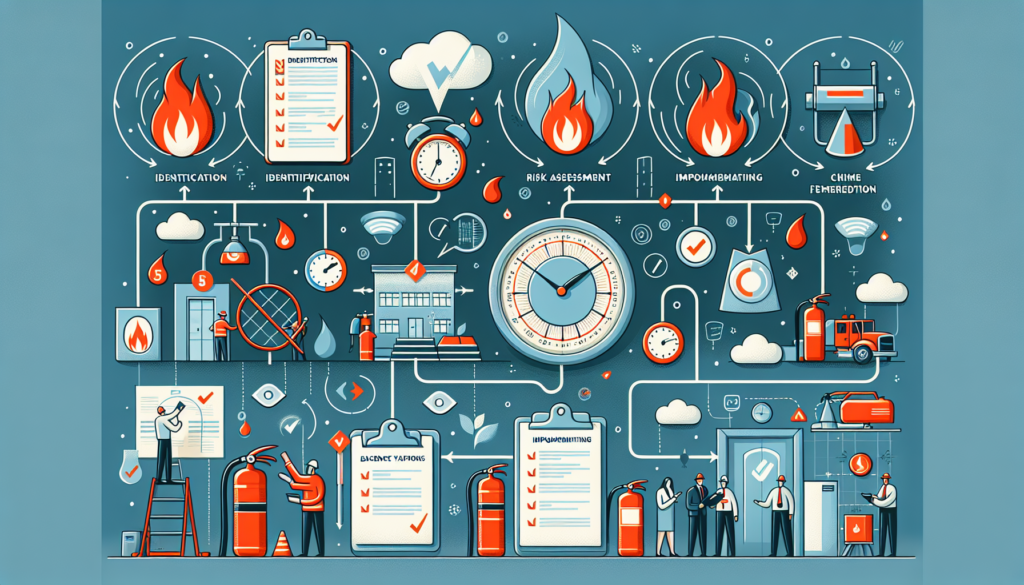
A fire safety risk assessment involves five clear steps. These steps are designed to methodically evaluate and mitigate fire risks in any setting. An essential part of this process is appointing fire wardens, who play a crucial role in managing emergency situations and ensuring the effectiveness of fire safety measures. The five steps are identifying potential fire hazards, determining people at risk, evaluating and implementing safety measures, recording findings and creating a fire plan, and regularly reviewing and updating the assessment. This article will guide you through each of these steps in detail, ensuring that you understand how many steps in fire safety risk assessment to conduct a thorough fire safety risk assessment.
Key Takeaways
Fire safety risk assessment involves identifying hazards, evaluating risks, and implementing preventive measures to ensure the safety of premises and occupants.
The assessment process consists of five key steps: identifying hazards, determining at-risk individuals, evaluating risks, recording findings, and regularly reviewing the assessment.
Compliance with legal requirements, such as the Building Safety Act 2022 and the Regulatory Reform (Fire Safety) Order 2005, is essential for effective fire safety management.
Understanding Fire Safety Risk Assessment
A fire safety risk assessment is an audit of premises to assess fire risk and recommend ways to reduce it. It serves a dual purpose: identifying prevention measures and ensuring safety procedures are in place. Proper fire safety management helps prevent fires and ensures a safe escape if one happens.
The process involves evaluating various aspects of the premises, from potential fire hazards to the effectiveness of existing safety measures. A competent individual should carry out the fire risk assessment. This includes roles like an employer, landlord, facilities manager, or professional risk assessor. This person must be capable of understanding the complexities of fire risks and implementing appropriate safety measures.
Assigning a fire safety manager ensures accountability and the implementation of all necessary protective measures for the premises and its occupants. This person handles the assessment, documents findings, and ensures communication and implementation of fire safety measures. Additionally, appointing fire wardens is crucial as they require specialised training to manage emergency situations and ensure clear communication of fire plans to all staff.
The Five Key Steps in Fire Safety Risk Assessment
Conducting a fire risk assessment is vital for safeguarding individuals and property. The process can be broken down into five key steps: identifying potential fire hazards, determining people at risk, evaluating fire risks and implementing measures, recording findings and developing a fire safety plan, and regularly reviewing and updating the assessment.
Each step is designed to systematically address different aspects of fire safety. This step involves pinpointing sources that could ignite a fire. This step ensures that everyone, particularly vulnerable groups, is considered in the safety plan. This involves thoroughly examining existing safety protocols and establishing new ones if necessary.
Documenting findings and developing a detailed fire safety plan ensures all safety measures are effectively communicated. Regular reviews and updates ensure the assessment remains relevant and effective over time. Ongoing training and awareness programs for staff further enhance fire safety management and preparedness.
Step 1: Identify Potential Fire Hazards
Identifying potential fire hazards is crucial for fire safety risk assessment. This step involves examining the premises to pinpoint sources of ignition, fuel, and oxygen that could potentially cause a fire. Potential ignition sources include faulty electrical devices, heaters, and hot processes like welding. Combustible materials, such as packaging, rubbish, and wall decorations, also pose significant fire hazards, along with other significant fire hazards.
Structural features like ducts and open roof spaces can exacerbate fire risks, as they can allow a fire to spread more quickly. Environmental considerations, such as sources of oxygen from air conditioning systems and monitored smoking areas, must also be taken into account. Identifying these hazards allows you to take proactive steps to mitigate risks and enhance fire safety.
Understanding the specific risks associated with your premises is the foundation of an effective fire safety risk assessment. Thoroughly identifying fire hazards allows for targeted measures that reduce fire likelihood and ensure a robust fire safety plan.
Step 2: Determine People at Risk
Everyone using the premises, including employees and visitors, should be identified as potentially at risk during a fire. This step involves considering the different groups of people who may be present in the building and their specific needs in the event of a fire. Vulnerable individuals, such as children, the elderly, and those with disabilities, require special consideration during the assessment.
Visitors who are unfamiliar with the building layout and escape routes can face increased risk during a fire. It is essential to engage with individuals who have specific needs, such as disabilities, to understand their evacuation requirements and ensure they are adequately addressed in the fire safety plan.
Thoroughly identifying people at risk allows you to tailor fire safety measures, ensuring safe evacuation for everyone, regardless of familiarity with the premises or physical abilities.
Step 3: Evaluate Fire Risks and Implement Measures
Evaluating fire risks involves identifying the risks based on identified hazards and individuals at risk. The goal of this step is to remove and reduce fire risks and protect people. This includes evaluating current preventive measures and emergency procedures. It also involves reviewing firefighting equipment. Implementing fire safety measures requires identifying emergency routes, fire detection systems, and firefighting equipment. Fire wardens play a crucial role in implementing and managing these measures effectively.
Maintaining visibility during evacuation is vital for a safe exit. Safety precautions should include securing potential fuel sources and keeping exits clear. Essential fire detection systems include automatic smoke/heat detectors and a comprehensive fire alarm system. Ensure the suitability and maintenance of these systems for effective safety.
Emergency procedures must include plans for alerting the fire brigade and maintaining clear escape routes. Evaluating fire risks and implementing suitable measures significantly enhances fire safety and ensures a well-coordinated response during a fire.
Fire Safety Training
Fire safety training is an essential component of a fire safety plan. It is crucial to ensure that all employees, including temporary staff, are well-versed in the fire safety procedures and protocols in place. This training should encompass several key areas:
Understanding the Fire Safety Plan: Employees should be familiar with the fire safety plan, including the procedures to follow in the event of a fire. This ensures everyone knows what to do and where to go during an emergency.
Identifying Potential Fire Hazards: Training should include how to spot potential fire hazards and the importance of reporting them to the responsible person. This proactive approach helps in mitigating risks before they escalate.
Using Fire Extinguishers: Employees should know the location and proper use of fire extinguishers and other fire safety equipment. This knowledge can be crucial in the early stages of a fire.
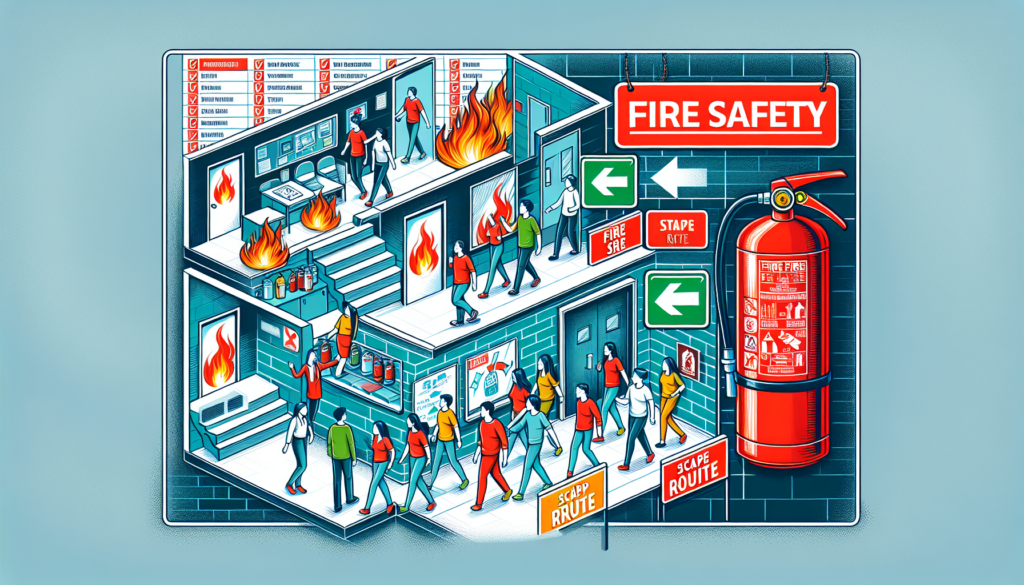
Evacuation Procedures: Understanding the evacuation procedures and escape routes is vital. Employees should know the quickest and safest ways to exit the building.
Responding to Fire Emergencies: Training should cover how to respond in case of a fire emergency, including raising the alarm and assisting others if it is safe to do so.
Regular fire drills are essential to ensure that employees are prepared and can act quickly and efficiently in case of a fire emergency. Fire safety training should be part of the induction process for all new employees, with refresher training provided at least annually to keep everyone up-to-date.
Step 4: Record Findings and Develop a Fire Safety Plan
Documenting findings and preparing an emergency evacuation plan is essential after evaluating fire risks. This step involves documenting the fire risk assessment findings to establish a written record. The assessment includes planning for emergencies, such as evacuation routes and fire safety equipment.
An effective fire safety plan should include detailed training for staff. Responsibilities and tasks should be clearly defined in the plan to keep people safe from fire. Training for staff on fire safety procedures is a key component to managing fire safety in the fire safety risk assessment.
Staff must understand fire safety plans to respond effectively in an emergency. An action plan detailing roles during a fire is critical for effective emergency response. Documenting findings and developing a comprehensive plan ensures all safety measures are well-communicated.
Step 5: Regularly Review and Update the Assessment
Regular reviews and updates are crucial for ongoing fire safety, Keeping the fire risk assessment up-to-date and adapting fire safety strategies as needed. This step identifies significant changes and updates risk factors.
New equipment or changes in use should prompt a review of the fire risk assessment. Significant changes or incidents, such as a fire or near-miss, should trigger a review of the fire risk assessment. Regular reviews and updates are important to ensure the assessment remains current and complies with evolving legislation.
If significant changes are identified, everyone should be informed, and re-training should be provided where appropriate. Regular reviews ensure the fire safety risk assessment remains effective and keeps the premises safe for everyone.
Additional Considerations for Effective Fire Safety
Emergency escape lighting guides individuals along escape routes, especially in poorly lit areas. Properly storing flammable materials minimises risks. Fire safety procedures should include the safe handling and storage of hazardous substances, including fire extinguishers.
Maintaining heating systems and portable heaters regularly prevents potential fire risks. Periodic inspection is essential for portable heaters. They should also be used safely. Clear and accessible emergency escape routes are required for effective fire safety.
Considering these additional factors further enhances fire safety and ensures a comprehensive approach to managing fire risks.
Managing Fire Safety
Managing fire safety is a critical responsibility of the responsible person. This role involves several key tasks to ensure the safety of the premises and its occupants:
Conducting Regular Fire Risk Assessments: Regular fire risk assessments are essential to identify potential fire hazards and risks. These assessments help in understanding the current fire safety status and areas that need improvement.
Implementing Fire Safety Measures: Once risks are identified, appropriate fire safety measures must be implemented to mitigate these risks. This includes installing and maintaining fire detection systems, ensuring clear emergency exits, and securing potential fuel sources.
Training Employees: Ensuring that all employees are trained on fire safety procedures and protocols is crucial. This training helps employees understand their roles and responsibilities in case of a fire emergency.
Conducting Fire Drills: Regular fire drills help ensure that employees are prepared and know how to evacuate the premises quickly and safely.
Reviewing and Updating the Fire Safety Plan: The fire safety plan and procedures should be reviewed and updated regularly to reflect any changes in the premises or operations. This ensures that the plan remains effective and relevant.
The responsible person should also ensure that all fire safety equipment, including fire extinguishers and fire alarms, are regularly inspected and maintained. Keeping everyone informed and trained on fire safety measures is key to managing fire safety effectively.
Legal Requirements and Compliance
The Building Safety Act 2022 requires fire risk assessments. Additionally, The Regulatory Reform (Fire Safety) Order 2005 also requires them. The legal requirement for all businesses is to perform fire risk assessments. A documented fire risk assessment is mandatory for businesses employing five or more people.
A responsible person must conduct a fire risk assessment if overseeing a business or non-private dwelling. The employer or an appointed competent person is typically responsible for carrying out a fire risk assessment. Documentation of the fire risk assessment must be maintained to ensure compliance and accountability.
Failure to comply with fire safety regulations may lead to penalties, including fines or imprisonment. Understanding and adhering to these legal requirements ensures fire safety measures are both effective and legally compliant.
How Often Should Fire Risk Assessments Be Reviewed?
Update fire risk assessments annually to ensure they remain relevant. The law requires fire risk assessments to be current but does not specify a review frequency. Review assessments after any significant changes in premises or operations.
Regular reviews, especially after significant changes, are required for fire risk assessments. Higher-risk environments may need more frequent assessments compared to lower-risk premises. A fire risk assessment must be carried out and regularly updated to identify fire hazards and maintain safety.
Regularly reviewing your fire risk assessment regularly ensures it remains effective and adapts to any changes in premises or operations.
Outsourcing Fire Risk Assessment
Outsourcing fire risk assessment can be a cost-effective and efficient way to ensure that your business complies with fire safety regulations. A professional fire risk assessor can provide several valuable services:
Comprehensive Fire Risk Assessment: A professional assessor will conduct a thorough fire risk assessment to identify potential fire hazards and risks specific to your premises.
Recommendations for Fire Safety Measures: Based on the assessment, the assessor will provide recommendations for fire safety measures to mitigate identified risks. This can include suggestions for fire detection systems, emergency lighting, and safe storage of flammable materials.
Developing a Fire Safety Plan: The assessor can help develop a fire safety plan and procedures tailored to your business needs. This plan will outline the steps to take in case of a fire and ensure that all safety measures are in place.
Employee Training: Professional assessors can provide training to employees on fire safety procedures and protocols, ensuring that everyone knows how to respond in an emergency.
Conducting Fire Drills: Regular fire drills conducted by the assessor can help ensure that employees are prepared and know the evacuation procedures.
When outsourcing fire risk assessment, it is essential to choose a reputable and experienced fire risk assessor who is certified by a recognised fire safety organisation. They should have a thorough understanding of fire safety regulations and be able to provide expert advice and guidance on managing fire safety.
By outsourcing fire risk assessment, you can ensure that your business is compliant with fire safety regulations and that all necessary measures are in place to protect your premises and occupants.
Summary
Conducting a fire safety risk assessment involves identifying potential fire hazards, determining people at risk, evaluating fire risks and implementing measures, recording findings and developing a fire safety plan, and regularly reviewing and updating the assessment. Each step is crucial in ensuring the safety of individuals and property.
Understanding and implementing these steps not only helps in preventing fires but also ensures a well-coordinated response in the event of a fire. Regular reviews and updates of the fire risk assessment help maintain its effectiveness and compliance with evolving legislation.
By prioritising and following these steps, you can create a safe environment for everyone. Remember, fire safety is not just about compliance; it’s about protecting lives and property.
Frequently Asked Questions
What is a fire safety risk assessment?
A fire safety risk assessment is a thorough evaluation of a property to identify potential fire hazards and suggest measures to mitigate those risks effectively. This proactive approach helps ensure safety and compliance with fire regulations.
Who should conduct a fire risk assessment?
A competent person, including an employer, landlord, facilities manager, or professional risk assessor, should conduct the fire risk assessment to ensure thoroughness and compliance.
How often should fire risk assessments be reviewed?
Fire risk assessments should be reviewed annually and whenever there are significant changes to the premises or operations. This ensures that safety measures remain effective and compliant.
What are the key steps in a fire safety risk assessment?
Conducting a thorough fire safety risk assessment involves identifying potential fire hazards, evaluating risks to individuals, implementing safety measures, documenting findings, and regularly reviewing the plan. By following these key steps, you can significantly enhance fire safety and preparedness.
What are the legal requirements for fire risk assessments?
Fire risk assessments are legally required under the Building Safety Act 2022 and The Regulatory Reform (Fire Safety) Order 2005, and businesses with five or more employees must document these assessments. Failure to comply can lead to serious legal consequences.