

- Key Takeaways
- Understanding Fire Safety Risk Assessment
- The Five Key Steps in Fire Safety Risk Assessment
- Step 1: Identify Potential Fire Hazards
- Step 2: Determine People at Risk
- Step 3: Evaluate Fire Risks and Implement Measures
- Step 4: Record Findings and Develop a Fire Safety Plan
- Step 5: Regularly Review and Update the Assessment
- Additional Considerations for Effective Fire Safety
- Legal Requirements and Compliance
- How Often Should Fire Risk Assessments Be Reviewed?
- Outsourcing Fire Risk Assessment
- Summary
- Frequently Asked Questions
A fire safety risk assessment involves five clear steps. These steps are designed to methodically evaluate and mitigate fire risks in any setting. An essential part of this process is appointing fire wardens, who play a crucial role in managing emergency situations and ensuring the effectiveness of fire safety measures. The five steps are identifying potential fire hazards, determining people at risk, evaluating and implementing safety measures, recording findings and creating a fire plan, and regularly reviewing and updating the assessment. This article will guide you through each of these steps in detail, ensuring that you understand how many steps in fire safety risk assessment to conduct a thorough fire safety risk assessment.
Key Takeaways
- Fire safety risk assessment involves identifying hazards, evaluating risks, and implementing preventive measures to ensure the safety of premises and occupants.
- The assessment process consists of five key steps: identifying hazards, determining at-risk individuals, evaluating risks, recording findings, and regularly reviewing the assessment.
- Compliance with legal requirements, such as the Building Safety Act 2022 and the Regulatory Reform (Fire Safety) Order 2005, is essential for effective fire safety management.
Understanding Fire Safety Risk Assessment
A fire safety risk assessment is an audit of premises to assess fire risk and recommend ways to reduce it. It serves a dual purpose: identifying prevention measures and ensuring safety procedures are in place. Proper fire safety management helps prevent fires and ensures a safe escape if one happens.
The process involves evaluating various aspects of the premises, from potential fire hazards to the effectiveness of existing safety measures. A competent individual should carry out the fire risk assessment. This includes roles like an employer, landlord, facilities manager, or professional risk assessor. This person must be capable of understanding the complexities of fire risks and implementing appropriate safety measures.
Assigning a fire safety manager ensures accountability and the implementation of all necessary protective measures for the premises and its occupants. This person handles the assessment, documents findings, and ensures communication and implementation of fire safety measures. Additionally, appointing fire wardens is crucial as they require specialised training to manage emergency situations and ensure clear communication of fire plans to all staff.
The Five Key Steps in Fire Safety Risk Assessment
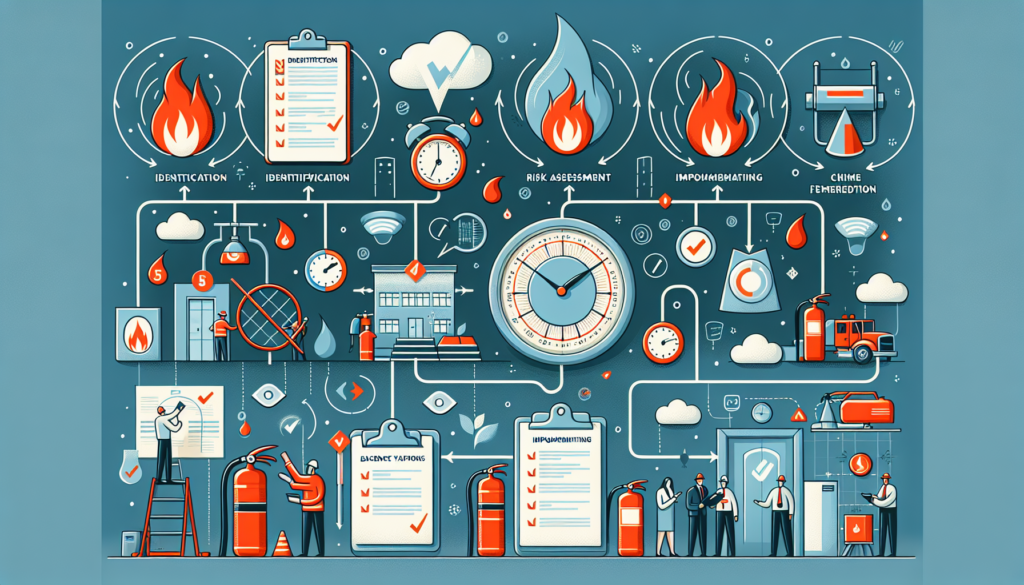
Conducting a fire risk assessment is vital for safeguarding individuals and property. The process can be broken down into five key steps: identifying potential fire hazards, determining people at risk, evaluating fire risks and implementing measures, recording findings and developing a fire safety plan, and regularly reviewing and updating the assessment.
Each step is designed to systematically address different aspects of fire safety. This step involves pinpointing sources that could ignite a fire. This step ensures that everyone, particularly vulnerable groups, is considered in the safety plan. This involves thoroughly examining existing safety protocols and establishing new ones if necessary.
Documenting findings and developing a detailed fire safety plan ensures all safety measures are effectively communicated. Regular reviews and updates ensure the assessment remains relevant and effective over time. Ongoing training and awareness programs for staff further enhance fire safety management and preparedness.
Step 1: Identify Potential Fire Hazards
Identifying potential fire hazards is crucial for fire safety risk assessment. This step involves examining the premises to pinpoint sources of ignition, fuel, and oxygen that could potentially cause a fire. Potential ignition sources include faulty electrical devices, heaters, and hot processes like welding. Combustible materials, such as packaging, rubbish, and wall decorations, also pose significant fire hazards, along with other significant fire hazards.
Structural features like ducts and open roof spaces can exacerbate fire risks, as they can allow a fire to spread more quickly. Environmental considerations, such as sources of oxygen from air conditioning systems and monitored smoking areas, must also be taken into account. Identifying these hazards allows you to take proactive steps to mitigate risks and enhance fire safety.
Understanding the specific risks associated with your premises is the foundation of an effective fire safety risk assessment. Thoroughly identifying fire hazards allows for targeted measures that reduce fire likelihood and ensure a robust fire safety plan.
Step 2: Determine People at Risk
Everyone using the premises, including employees and visitors, should be identified as potentially at risk during a fire. This step involves considering the different groups of people who may be present in the building and their specific needs in the event of a fire. Vulnerable individuals, such as children, the elderly, and those with disabilities, require special consideration during the assessment.
Visitors who are unfamiliar with the building layout and escape routes can face increased risk during a fire. It is essential to engage with individuals who have specific needs, such as disabilities, to understand their evacuation requirements and ensure they are adequately addressed in the fire safety plan.
Thoroughly identifying people at risk allows you to tailor fire safety measures, ensuring safe evacuation for everyone, regardless of familiarity with the premises or physical abilities.
Step 3: Evaluate Fire Risks and Implement Measures
Evaluating fire risks involves identifying the risks based on identified hazards and individuals at risk. The goal of this step is to remove and reduce fire risks and protect people. This includes evaluating current preventive measures and emergency procedures. It also involves reviewing firefighting equipment. Implementing fire safety measures requires identifying emergency routes, fire detection systems, and firefighting equipment. Fire wardens play a crucial role in implementing and managing these measures effectively.
Maintaining visibility during evacuation is vital for a safe exit. Safety precautions should include securing potential fuel sources and keeping exits clear. Essential fire detection systems include automatic smoke/heat detectors and a comprehensive fire alarm system. Ensure the suitability and maintenance of these systems for effective safety.
Emergency procedures must include plans for alerting the fire brigade and maintaining clear escape routes. Evaluating fire risks and implementing suitable measures significantly enhances fire safety and ensures a well-coordinated response during a fire.
Fire Safety Training
Fire safety training is an essential component of a fire safety plan. It is crucial to ensure that all employees, including temporary staff, are well-versed in the fire safety procedures and protocols in place. This training should encompass several key areas:
- Understanding the Fire Safety Plan: Employees should be familiar with the fire safety plan, including the procedures to follow in the event of a fire. This ensures everyone knows what to do and where to go during an emergency.
- Identifying Potential Fire Hazards: Training should include how to spot potential fire hazards and the importance of reporting them to the responsible person. This proactive approach helps in mitigating risks before they escalate.
- Using Fire Extinguishers: Employees should know the location and proper use of fire extinguishers and other fire safety equipment. This knowledge can be crucial in the early stages of a fire.
- Evacuation Procedures: Understanding the evacuation procedures and escape routes is vital. Employees should know the quickest and safest ways to exit the building.
- Responding to Fire Emergencies: Training should cover how to respond in case of a fire emergency, including raising the alarm and assisting others if it is safe to do so.
Regular fire drills are essential to ensure that employees are prepared and can act quickly and efficiently in case of a fire emergency. Fire safety training should be part of the induction process for all new employees, with refresher training provided at least annually to keep everyone up-to-date.
Step 4: Record Findings and Develop a Fire Safety Plan
Documenting findings and preparing an emergency evacuation plan is essential after evaluating fire risks. This step involves documenting the fire risk assessment findings to establish a written record. The assessment includes planning for emergencies, such as evacuation routes and fire safety equipment.
An effective fire safety plan should include detailed training for staff. Responsibilities and tasks should be clearly defined in the plan to keep people safe from fire. Training for staff on fire safety procedures is a key component to managing fire safety in the fire safety risk assessment.
Staff must understand fire safety plans to respond effectively in an emergency. An action plan detailing roles during a fire is critical for effective emergency response. Documenting findings and developing a comprehensive plan ensures all safety measures are well-communicated.
Step 5: Regularly Review and Update the Assessment
Regular reviews and updates are crucial for ongoing fire safety, Keeping the fire risk assessment up-to-date and adapting fire safety strategies as needed. This step identifies significant changes and updates risk factors.
New equipment or changes in use should prompt a review of the fire risk assessment. Significant changes or incidents, such as a fire or near-miss, should trigger a review of the fire risk assessment. Regular reviews and updates are important to ensure the assessment remains current and complies with evolving legislation.
If significant changes are identified, everyone should be informed, and re-training should be provided where appropriate. Regular reviews ensure the fire safety risk assessment remains effective and keeps the premises safe for everyone.
Additional Considerations for Effective Fire Safety
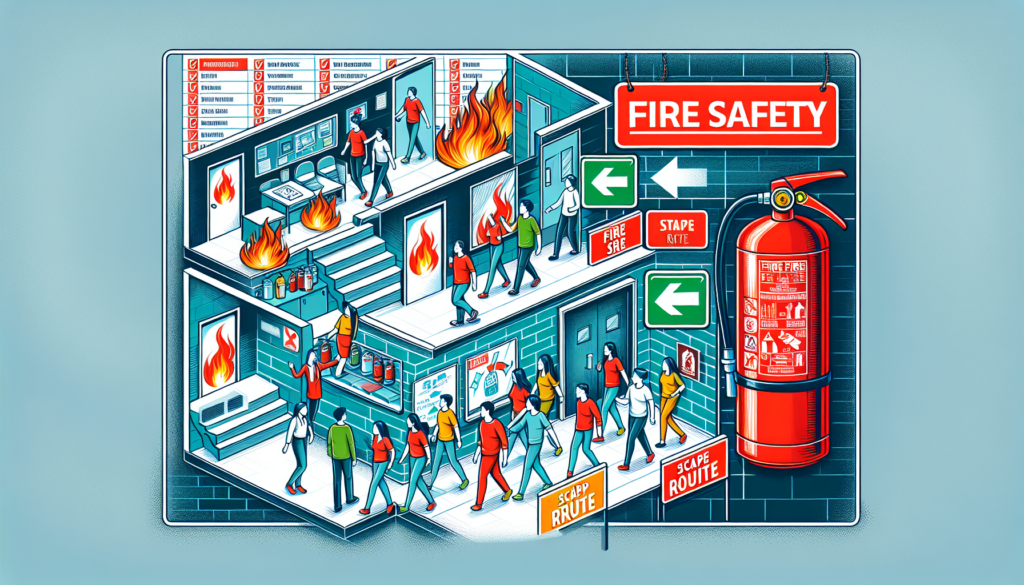
Emergency escape lighting guides individuals along escape routes, especially in poorly lit areas. Properly storing flammable materials minimises risks. Fire safety procedures should include the safe handling and storage of hazardous substances, including fire extinguishers.
Maintaining heating systems and portable heaters regularly prevents potential fire risks. Periodic inspection is essential for portable heaters. They should also be used safely. Clear and accessible emergency escape routes are required for effective fire safety.
Considering these additional factors further enhances fire safety and ensures a comprehensive approach to managing fire risks.
Managing Fire Safety
Managing fire safety is a critical responsibility of the responsible person. This role involves several key tasks to ensure the safety of the premises and its occupants:
- Conducting Regular Fire Risk Assessments: Regular fire risk assessments are essential to identify potential fire hazards and risks. These assessments help in understanding the current fire safety status and areas that need improvement.
- Implementing Fire Safety Measures: Once risks are identified, appropriate fire safety measures must be implemented to mitigate these risks. This includes installing and maintaining fire detection systems, ensuring clear emergency exits, and securing potential fuel sources.
- Training Employees: Ensuring that all employees are trained on fire safety procedures and protocols is crucial. This training helps employees understand their roles and responsibilities in case of a fire emergency.
- Conducting Fire Drills: Regular fire drills help ensure that employees are prepared and know how to evacuate the premises quickly and safely.
- Reviewing and Updating the Fire Safety Plan: The fire safety plan and procedures should be reviewed and updated regularly to reflect any changes in the premises or operations. This ensures that the plan remains effective and relevant.
The responsible person should also ensure that all fire safety equipment, including fire extinguishers and fire alarms, are regularly inspected and maintained. Keeping everyone informed and trained on fire safety measures is key to managing fire safety effectively.
Legal Requirements and Compliance

The Building Safety Act 2022 requires fire risk assessments. Additionally, The Regulatory Reform (Fire Safety) Order 2005 also requires them. The legal requirement for all businesses is to perform fire risk assessments. A documented fire risk assessment is mandatory for businesses employing five or more people.
A responsible person must conduct a fire risk assessment if overseeing a business or non-private dwelling. The employer or an appointed competent person is typically responsible for carrying out a fire risk assessment. Documentation of the fire risk assessment must be maintained to ensure compliance and accountability.
Failure to comply with fire safety regulations may lead to penalties, including fines or imprisonment. Understanding and adhering to these legal requirements ensures fire safety measures are both effective and legally compliant.
How Often Should Fire Risk Assessments Be Reviewed?
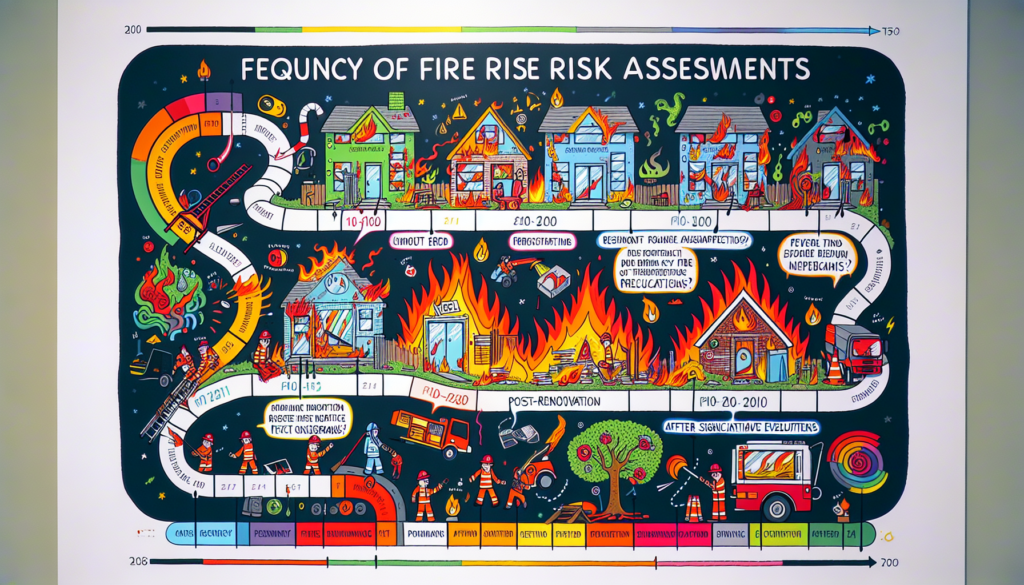
Update fire risk assessments annually to ensure they remain relevant. The law requires fire risk assessments to be current but does not specify a review frequency. Review assessments after any significant changes in premises or operations.
Regular reviews, especially after significant changes, are required for fire risk assessments. Higher-risk environments may need more frequent assessments compared to lower-risk premises. A fire risk assessment must be carried out and regularly updated to identify fire hazards and maintain safety.
Regularly reviewing your fire risk assessment regularly ensures it remains effective and adapts to any changes in premises or operations.
Outsourcing Fire Risk Assessment
Outsourcing fire risk assessment can be a cost-effective and efficient way to ensure that your business complies with fire safety regulations. A professional fire risk assessor can provide several valuable services:
- Comprehensive Fire Risk Assessment: A professional assessor will conduct a thorough fire risk assessment to identify potential fire hazards and risks specific to your premises.
- Recommendations for Fire Safety Measures: Based on the assessment, the assessor will provide recommendations for fire safety measures to mitigate identified risks. This can include suggestions for fire detection systems, emergency lighting, and safe storage of flammable materials.
- Developing a Fire Safety Plan: The assessor can help develop a fire safety plan and procedures tailored to your business needs. This plan will outline the steps to take in case of a fire and ensure that all safety measures are in place.
- Employee Training: Professional assessors can provide training to employees on fire safety procedures and protocols, ensuring that everyone knows how to respond in an emergency.
- Conducting Fire Drills: Regular fire drills conducted by the assessor can help ensure that employees are prepared and know the evacuation procedures.
When outsourcing fire risk assessment, it is essential to choose a reputable and experienced fire risk assessor who is certified by a recognised fire safety organisation. They should have a thorough understanding of fire safety regulations and be able to provide expert advice and guidance on managing fire safety.
By outsourcing fire risk assessment, you can ensure that your business is compliant with fire safety regulations and that all necessary measures are in place to protect your premises and occupants.
Summary
Conducting a fire safety risk assessment involves identifying potential fire hazards, determining people at risk, evaluating fire risks and implementing measures, recording findings and developing a fire safety plan, and regularly reviewing and updating the assessment. Each step is crucial in ensuring the safety of individuals and property.
Understanding and implementing these steps not only helps in preventing fires but also ensures a well-coordinated response in the event of a fire. Regular reviews and updates of the fire risk assessment help maintain its effectiveness and compliance with evolving legislation.
By prioritising and following these steps, you can create a safe environment for everyone. Remember, fire safety is not just about compliance; it’s about protecting lives and property.