Types of Smoke Alarms Explained: Ionisation, Photoelectric, Heat & Multi-Sensor

Knowing the different types of smoke alarms is crucial for home safety. This article explains ionisation, photoelectric, heat and combined alarms so you can make an informed choice for your home.

Smoke alarms are one of the most effective ways to detect fires early and give occupants enough time to escape. In the UK, guidance such as BS 5839-6 recommends installing smoke alarms on every level of a home, alongside heat alarms in kitchens and interconnected alarms where possible.

Understanding how each alarm type works will help you choose the best system for your property. Here – Crusader Fire walks you through absolutely everything you need to know about it. 

Understanding Smoke Alarms

Smoke alarms provide early warning during a fire, giving occupants time to escape safely. Several types are available, each designed to detect fires in different ways.

The main types include:

  • Ionisation smoke alarms
  • Photoelectric smoke alarms
  • Combined or multi-sensor alarms

Homes may also use heat alarms, carbon monoxide detectors, and smart fire detection systems for additional protection.

According to BS 5839-6 guidance, smoke alarms should be installed on every storey of a home, typically in hallways and landings that form escape routes. Alarms should be mounted on ceilings or high on walls, as smoke rises.

Many modern homes use interconnected alarm systems, meaning if one alarm activates, all alarms in the property sound at the same time. This improves safety, particularly in larger homes.

Choosing the right type of smoke alarm and installing it correctly helps ensure reliable fire protection.

Comparison of Smoke Alarm Types

Understanding how each alarm works can make it easier to choose the right option for your home.

Alarm TypeBest For DetectingIdeal LocationRisk of False Alarms
IonisationFast-flaming firesBedrooms, hallwaysHigher near kitchens
PhotoelectricSlow-smouldering firesLiving rooms, bedroomsLower
Heat AlarmRapid temperature riseKitchens, garagesVery low
Multi-SensorMultiple fire typesMost living areasLow

Many modern homes now use multi-sensor or interconnected alarm systems for more comprehensive protection.
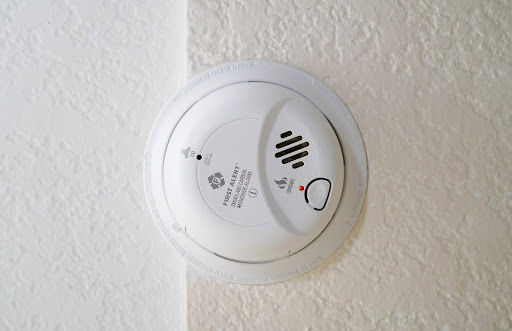
Ionisation Smoke Alarms

Ionisation smoke alarms are designed to detect fast-flaming fires. They work by using a small amount of radioactive material that ionises the air between two charged plates, creating an electric current.

When smoke enters the chamber, it disrupts this ion flow, triggering the alarm.

This makes ionisation smoke alarms particularly effective at detecting flaming fires, which produce smaller, less visible smoke particles.

However, due to their sensitivity, ionisation smoke alarms are prone to false alarms when installed in kitchens. Cooking smoke can easily trigger them.

For this reason, they are typically installed in:

  • Bedrooms 
  • Hallways
  • Landings

These fast-flaming fires are more likely to occur but are less likely to be triggered by everyday household activities.

Understanding the strengths and limitations of ionisation smoke alarms can help you decide if they are the right choice for your home.

Photoelectric Smoke Alarms

Photoelectric smoke alarms are designed to detect larger smoke particles, making them highly effective at sensing slow fires.

These alarms use infrared light beams that scatter when smoke enters the chamber, triggering the alarm.

They’re quite responsive to fires that begin with a long period of smouldering before bursting into flames, such as those caused by electrical faults or cigarettes.

Photoelectric smoke alarms are commonly installed in:

  • bedrooms
  • living rooms
  • dining rooms
  • landings
  • hallways

They are less suitable for kitchens due to the potential for false alarms caused by cooking smoke.

They are also not ideal for areas exposed to outdoor elements or very dusty environments, as these conditions may trigger unnecessary alerts.

When placed correctly, photoelectric smoke alarms provide a reliable way to detect slow-burning fires and give occupants early warning.

Heat Alarms

Heat alarms detect rapid increases in temperature rather than smoke particles.

Instead of sensing smoke, these alarms trigger when the temperature rises above a certain threshold, typically around 58°C.

This makes them ideal for areas where smoke is often present, such as:

  • Kitchens
  • Garages
  • Utility rooms

Heat alarms help prevent false alarms caused by cooking fumes, steam, or vehicle exhaust.

However, heat alarms are not suitable for living spaces, as they respond later than smoke alarms and may not provide enough early warning.

When installed in the correct locations, heat alarms can significantly improve overall fire safety within the home.

Combined or Multi-Sensor Alarms

Combined or multi-sensor alarms use both ionisation and photoelectric detection technology.

This allows them to detect both fast-flaming and slow-smouldering fires, providing broader protection.

Because they combine multiple detection methods, multi-sensor alarms are often better at reducing false alarms while still responding quickly to fires.

These alarms are commonly installed in:

  • Bedrooms
  • Living rooms
  • Dining rooms
  • Hallways
  • Landings

However, they should still be avoided in kitchens to prevent alarms triggered by cooking activities.

Many modern fire safety systems use multi-sensor alarms that are interconnected, creating a more reliable and comprehensive fire detection system.

Battery-Powered vs Mains-Powered Smoke Alarms

When choosing between battery-powered and mains-powered smoke alarms, it is important to consider your home and installation requirements.

Mains-powered smoke alarms

  • Connected directly to the home’s electrical system
  • Usually include battery backup
  • Recommended for larger homes
  • Must be installed by a qualified electrician

Battery-powered smoke alarms

  • Easier to install
  • Often use sealed 10-year lithium batteries
  • Require minimal maintenance

Many modern battery alarms also support wireless interlinking, allowing all alarms in the home to activate at once if one detects smoke.

Both systems can provide reliable protection when installed correctly.

Interconnected Smoke Alarms

Interconnected smoke alarms add an extra layer of protection.

When one alarm detects smoke, all alarms in the property sound simultaneously. This ensures that occupants in every room are alerted immediately.

Interconnection can be achieved through:

  • Hard-wired systems
  • Wireless radio links

Interlinked alarms are especially beneficial in larger homes or multi-storey properties.

Modern UK guidance increasingly recommends interconnected systems to improve early detection and evacuation time.

Smart Smoke Alarms and Modern Fire Detection

Recent advancements have introduced smart smoke alarms, which offer additional features such as:

  • Mobile phone alerts when alarms go off
  • Self-testing systems
  • Wireless interconnection
  • Integration with smart home devices

These systems can provide homeowners with greater awareness and faster response in the event of a fire.

While traditional alarms remain highly effective, smart systems are becoming increasingly popular for modern homes.

Carbon Monoxide Alarms

Carbon monoxide alarms are essential for homes with fuel-burning appliances, such as boilers, gas heaters, and fireplaces.

Carbon monoxide is a colourless gas that can be deadly if undetected. These alarms monitor carbon monoxide levels and trigger an alert if dangerous levels are detected.

Some devices combine smoke and carbon monoxide detection, providing dual protection within a single unit.

Placement and Installation Tips

Proper placement is essential for smoke alarms to work effectively.

Smoke alarms should be installed:

  • On ceilings or high on walls
  • At least 30 cm away from walls or light fittings when ceiling mounted
  • No more than 30 cm below the ceiling when wall-mounted

In homes with sloped ceilings, alarms should be positioned within 60 cm of the highest point. Avoid placing alarms near doors, windows, or vents, as airflow can interfere with their operation.Correct installation helps ensure alarms detect smoke quickly and reliably. Clear evacuation routes and visible fire safety signs can further improve safety by guiding occupants towards exits during emergencies.
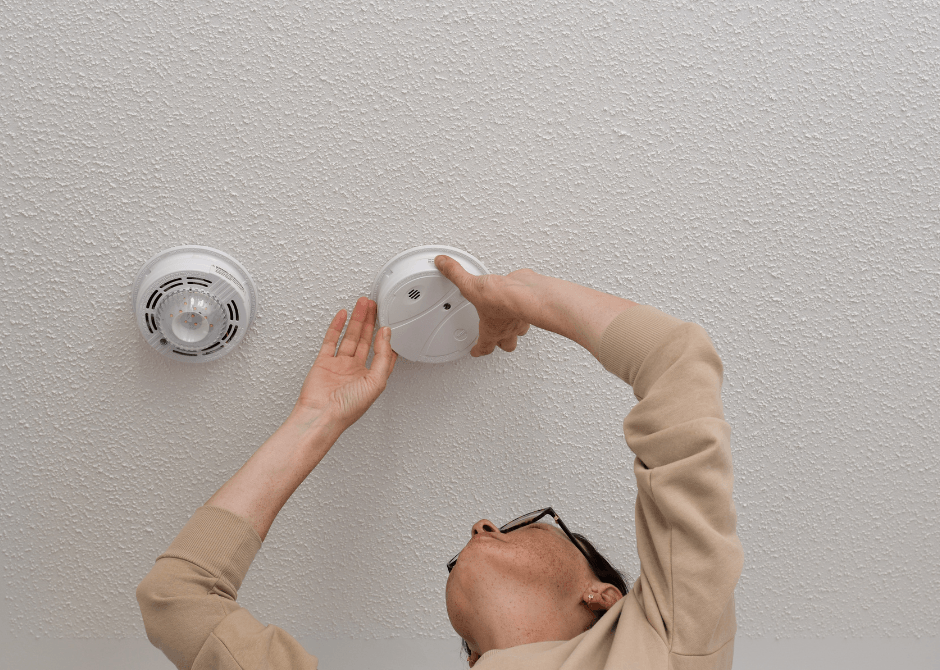
Maintaining Your Smoke Alarms

Regular maintenance is essential to ensure smoke alarms continue to work properly.

Smoke alarms should be:

  • Tested monthly using the test button
  • Cleaned periodically to remove dust buildup
  • Checked for battery performance

If the alarm uses replaceable batteries, these should typically be replaced once a year. Smoke alarms themselves should generally be replaced every 10 years, as sensors degrade over time.

Routine maintenance ensures alarms remain ready to provide life-saving warnings.

What Is the Best Type of Smoke Alarm?

Many fire safety professionals recommend multi-sensor smoke alarms because they can detect both fast-flaming and slow-smouldering fires, offering better protection than their counterparts. 

At Crusader Fire, we recommend the following setup, depending on the area of the home:

Area of the HomeRecommended Alarm TypeWhy
Hallways & LandingsMulti-sensor smoke alarmDetects multiple fire types and protects main escape routes
Living Rooms & BedroomsMulti-sensor smoke alarmReliable detection with fewer false alarms
KitchensHeat alarmPrevents false alarms from cooking fumes
Whole PropertyInterlinked alarmsEnsures all alarms sound if one detects fire

We believe these combinations provide the best fire detection, while also giving faster warnings, which will ultimately save lives in the event of a fire.

Choosing Quality Smoke Alarms

When purchasing fire safety equipment such as smoke alarms, it is important to select products that meet recognised safety standards.

Look for alarms that carry certifications such as:

  • BSI Kitemark
  • CE marking
  • Compliance with relevant British Standards

These certifications indicate the alarm has been tested for reliability and performance. Choosing the right type of alarm for each room in your home can significantly improve fire safety.

FAQs – Smoke Alarms

What are the main differences between ionisation and photoelectric smoke alarms?

Ionisation smoke alarms detect fast-flaming fires more quickly, while photoelectric alarms are better at detecting slow-smouldering fires. Using both types improves overall fire detection.

Where should I install photoelectric smoke alarms?

Photoelectric smoke alarms are best installed in bedrooms, living rooms, hallways, dining rooms, and landings. They should generally not be installed in kitchens due to the risk of false alarms.

Why are interconnected smoke alarms important?

Interconnected alarms ensure that when one alarm detects smoke, every alarm in the home sounds, giving occupants more time to escape safely.

How often should I test my smoke alarms?

Smoke alarms should be tested once a month to ensure they are functioning correctly.

Which Fire Suppression System Is Right for Your Business?

Choosing the right fire protection isn’t just a safety decision. It protects your people, your assets and your ability to keep trading after an emergency. But with so many options available, many organisations struggle to work out which fire suppression system suits their environment.

This guide breaks down the four main categories of suppression systems: water, foam, gas and chemical, and explains the types of businesses each is best suited for. A simple fire suppression system comparison table is included to make decisions easier.

Water-Based Fire Suppression Systems

Water systems, including sprinklers and water mist technology, remain the most commonly used suppression solution in the UK. They are reliable, fast-acting and suitable for a wide range of commercial spaces.

Best for:

  • Warehouses
  • Office buildings
  • Retail spaces
  • Car parks
  • Residential blocks

Benefits:

  • Cost-effective installation
  • Straightforward maintenance
  • Highly effective on Class A fires (solid combustibles like wood, paper or textiles)

Limitations:

  • Not suitable for electrical rooms, server spaces or environments containing valuable equipment
  • Can cause water damage if activated

Foam Fire Suppression Systems

Foam systems create a blanket that smothers the fire and stops it receiving oxygen. This type of system is often used where flammable liquids are present.

Best for:

  • Industrial sites
  • Fuel storage areas
  • Workshops handling solvents or oils
  • Chemical plants

Benefits:

  • Designed to control Class B fires (flammable liquid fires)
  • Reduces vapour release
  • Highly effective at preventing re-ignition

Limitations:

  • Not suitable for delicate equipment
  • Requires specific maintenance procedures

Gas Fire Suppression Systems

Gas systems use inert or chemical clean agents to extinguish fires without damaging equipment. Common gases include Inergen, FM-200 and CO₂.

Best for:

  • Data centres
  • Server rooms
  • Communication hubs
  • Museums and archives
  • Laboratories

Benefits:

  • Leaves no residue
  • Safe for most sensitive electronics
  • Works quickly and cleanly

Limitations:

  • Not suitable for spaces with high ventilation
  • Some gases require evacuation before discharge

Chemical Fire Suppression Systems

Chemical suppression systems are designed to handle fast-spreading fires in environments where traditional extinguishing agents are unsuitable. They are commonly used in commercial kitchens.

Best for:

  • Restaurants
  • Takeaways
  • Commercial kitchens
  • Food manufacturing environments

Benefits:

  • Specifically designed for grease and oil fires
  • Rapid response in high-risk areas
  • Minimal cleanup and disruption

Limitations:

  • Only suited to targeted, high-risk zones
  • Must be serviced regularly to remain compliant with fire safety regulations

Fire Suppression System Comparison Table

Suppression TypeBest ForFire ClassesProsCons
WaterOffices, retail, warehousesClass AAffordable, widely compatibleNot safe for electrics, risk of water damage
FoamIndustrial, fuel storage, workshopsClass BControls flammable liquid firesNot suited to equipment-heavy spaces
GasData centres, server rooms, archivesClean agent for sensitive areasNo residue, fast-actingHigher install cost, evacuation requirements for some gases
ChemicalCommercial kitchensFats and oils (Class F)Ideal for kitchen fires, quick suppressionNarrow use case, needs regular servicing

This fire suppression system comparison gives a clear snapshot of how each option performs in real-world conditions.

How to Choose the Right Fire Suppression System

When deciding which system is right, consider these key factors:

1. The Type of Fire Risk

Different businesses face different fire classes—solids, liquids, grease, and electrical. Choose a system specifically engineered for your risk profile.

2. The Value and Sensitivity of Equipment

Data centres, laboratories and museums need non-damaging, residue-free systems such as gas suppression.

3. Building Layout and Airflow

Ventilation, open spaces and ceiling height all impact system performance and suitability.

4. Industry Regulations

Food service, manufacturing and data handling environments often have strict compliance requirements for suppression systems.

5. Long-Term Maintenance Needs

The right solution is not just effective on day one; it must remain reliable through routine servicing and compliance checks.

Which System Is Right for You?

There is no one-size-fits-all answer when choosing which fire suppression system your business should install. Every environment has different risks, assets and operational needs. Water, foam, gas and chemical systems each offer distinct advantages—and selecting the right one ensures full protection without unnecessary expense or downtime.

If you’re unsure which system suits your business, a professional site assessment is the safest way to determine compliance, suitability and performance. The right solution gives you total peace of mind, knowing your people and premises are protected around the clock.

Common Fire Door Failures and How Fire Doors Save Lives

Fire door failures can occur for many reasons and ultimately put lives at risk.

These failures are often identified during fire door inspections as part of wider fire safety and building safety responsibilities.

UK inspection data highlights that a significant  75% of fire doors in the UK fail to meet required safety standards, commonly due to excessive gaps, poor maintenance, or improper installation.

Understanding common fire door faults, how they occur, and why they matter is essential to maintaining effective fire resistance and, of course, saving lives.

Why Fire Doors Fail More Often Than Expected

Fire door failures are more common than many people expect during fire safety risk assessments and often relate to inspection failure rather than obvious damage.

Fire doors are typically installed in high-use environments and are opened, closed, and impacted daily, leading to gradual wear on closers, hinges, alignment, and door frames.

Unplanned alterations such as new flooring, cable runs, or hardware changes can also compromise fire resistance if not assessed correctly.

Human factors play a significant role, with a lack of awareness and deferred maintenance allowing minor faults to worsen over time.

These issues frequently contribute to fire door inspection failures when assessed against current fire safety regulations.

Common Fire Door Failures

The following fire door failures are most frequently identified in real buildings during inspection.

Fire Doors Not Closing Properly

A fire door that cannot self-close cannot contain fire or smoke.

  • Failed or poorly adjusted door closers
  • Misaligned hinges
  • Doors catching on flooring
  • Door frame movement affecting closure and fire resistance

These issues can result in compromised escape routes during a fire.

Damaged or Incorrect Seals

Intumescent strips and fire door seals are designed to restrict the spread of smoke and heat.

  • Missing seals
  • Incorrect seal specification for the fire rating of the door
  • Painted over or damaged seals

Seal failure allows smoke leakage in the early stages of a fire, reducing available evacuation time.

Excessive Gaps or Poor Door Alignment

Fire doors with excessive gaps or poor door alignment will not perform as tested.

  • Poor installation
  • Gaps exceeding permitted limits
  • Initial misalignment affecting latch engagement

This allows fire and smoke to spread more quickly and directly affects the fire rating of the door.

Incorrect Hardware and Door Components

Fire doors must be maintained as a complete, tested system, and incorrect hardware or components can significantly limit performance.

  • Non fire-rated or incompatible hardware
  • Unverified component replacements
  • Ad hoc repairs compromising performance

These issues can result in a loss of certified fire resistance and fire stopping capability.

Locked or Misused Fire Doors

Locked or misused fire doors cannot operate correctly, even if all other components are functional.

  • Doors left open for convenience
  • Doors locked and not released
  • Situations where locking a fire door may be illegal

Locked or obstructed fire doors restrict escape routes and are a common issue identified during fire door maintenance and inspection activity.

Why Fire Door Faults Put Lives at Risk

Fire door faults allow fire and smoke to spread beyond intended compartments, increasing risk to life.

  • Compromised protected escape routes
  • Reduced time for safe evacuation
  • Increased smoke exposure for occupants
  • Greater risk to emergency responders

Multiple small faults can collectively result in a failure to achieve the required fire resistance in an emergency.

Regular inspection and maintenance are legal requirements under legislation such as the Regulatory Reform (Fire Safety) Order 2005, and staff fire safety training plays an important role in preventing misuse and inspection failure.

How Crusader Fire Supports Fire Door Safety

Crusader Fire can help ensure doors perform as intended and remain compliant over time.

We provide:
✔ Fire door inspections and fire door installation support carried out by competent professionals
✔ Installation and remedial works completed to current standards
✔ Practical, building-specific advice for duty holders
✔ Support in meeting ongoing fire safety responsibilities

For advice, inspection, or support with fire door safety, contact us to speak to a competent professional.

Fire Safety Inspection Checklist: A Complete Guide for UK Businesses

Keeping your employees safe at work isn’t optional – it’s essential, which is why a fire safety inspection checklist is vital for a business.

Around 22,000 workplace fires occur each year in the UK, which equates to over 400 a week. You don’t want to be a part of this statistic. 

In this blog, we break down the key elements of a fire safety inspection, explaining what to look for, why it matters, how Crusader Fire can help, and how to ensure your workplace is properly prepared.

What Is a Fire Safety Inspection and Why It Matters

A fire safety inspection is a check of a building to ensure that it meets legal standards, identifies fire hazards, has appropriate firefighting equipment, and has clear escape routes.

The aim is to prevent fires and keep staff safe through appropriate fire safety training, established procedures, and compliance with legal requirements.

Fire Safety Inspection UK: Legal Responsibilities for Businesses

Under the UK’s Regulatory Reform (Fire Safety) Order 2005, businesses have a duty to appoint a ‘Responsible Person’ to ensure the safety of staff in the event of a fire. Duties include:

  • Carrying out a fire risk assessment of the premises and reviewing it regularly
  • Ensuring all staff are aware of the risks identified
  • Outlining and maintaining fire safety measures
  • Planning for emergencies
  • Providing staff with regular training and up-to-date information

Failure to comply with these measures can result in severe penalties, including fines and imprisonment, which makes it important for businesses to understand their fire safety responsibilities.

Fire Safety Inspection Checklist for the Workplace

Fire risk assessment and documentation

A fire risk assessment is the foundation of fire safety compliance and one of the first documents requested during an inspection. Ensure the following:

✓ The assessment reflects the current layout, occupancy, and use of the premises

✓ Significant changes to the building, staff, or processes have been identified

✓ Identified risks and control measures are implemented

✓ All findings are documented

It is vital to have evidence of the assessment and ensure records are kept up to date.

Fire detection and alarm systems

Fire detection and alarm systems must be appropriate and maintained to ensure they function correctly in an emergency.

Inspection checkWhat inspectors expect to see
Alarm testingFire alarms, smoke detectors, and heat detectors are tested regularly
AudibilityAlarm sounders are audible throughout the building
Call pointsManual call points are visible, accessible, and unobstructed
Maintenance recordsServicing and maintenance records are up to date and available
EvidenceAlarm test logs and servicing certificates can be produced

Escape routes, signage and emergency lighting

Inspectors will assess whether the building can be evacuated quickly, safely, and efficiently if a fire occurs. Ensure the following:

✓ Escape routes are clearly identified

✓ Fire exits open easily and are not obstructed

✓ Emergency lighting is installed and tested in line with guidance

✓ Fire exit signage is clear and visible

Regular maintenance records should be kept to demonstrate ongoing compliance.

Fire doors and compartmentation

Fire doors are designed to resist fire and smoke for a specified period and play a key role in limiting fire spread. Ensure the following:

✓ Fire doors are correctly installed and certified

✓ Doors fully close and latch

✓ Smoke seals are intact

✓ Doors are not wedged or held open

✓ Hinges and frames are in good condition

Fire door inspection reports should be kept on site and maintained regularly.

Firefighting equipment

Firefighting equipment must be suitable, maintained, and positioned correctly. Ensure the following:

✓ Fire extinguishers are present 

✓ Extinguishers are serviced annually 

✓ Equipment is mounted appropriately and clearly labelled

 ✓ Access to equipment is unobstructed ✓ Staff have received basic training

Fire extinguisher service records should be kept up to date and accessible.

Staff fire safety training and drills

Staff fire safety training is required to support safe evacuation in an emergency. Ensure the following:

✓ Fire safety training is included during induction and refreshed at appropriate intervals

✓ Fire wardens are appointed

✓ Fire drills are carried out regularly

✓ Staff understand evacuation procedures and assembly points

Training records and fire drill logs should be documented and reviewed regularly. Crusader Fire can also advise on how often staff require fire training

Common Reasons Businesses Fail Fire Safety Inspections

Many businesses assume that compliance with basic fire safety measures will result in a successful fire safety inspection.

In practice, inspections often identify gaps in maintenance, documentation, and day-to-day management. Common reasons businesses fail include:

  • Outdated or missing fire risk assessments
  • Inadequate record keeping
  • Poor fire door management
  • Failure to maintain fire detection and alarm systems
  • Blocked or poorly maintained escape routes
  • Failure to act on previously identified risks
  • Insufficient staff training

How to Prepare for a Fire Safety Inspection

Preparing for a fire safety inspection requires a structured approach.

Businesses that carry out regular checks and address issues early are more likely to demonstrate compliance. Preparation should include:

  • Reviewing fire risk assessments regularly
  • Ensuring escape routes are clear, signed, and suitable
  • Checking fire detection and alarm systems are working correctly
  • Confirming firefighting equipment is suitable and accessible
  • Ensuring staff training and fire drill records are up to date

Need Help Passing a Fire Safety Inspection?

Managing fire safety compliance alongside day-to-day business operations can be challenging.

Crusader Fire supports businesses by providing practical, compliant fire safety solutions designed to meet inspection requirements and ongoing legal responsibilities.

Support includes:

  • Carrying out suitable and sufficient fire risk assessments
  • Designing, installing, servicing, and maintaining fire alarm systems
  • Inspecting and maintaining fire doors
  • Delivering professional fire safety training
  • Supporting ongoing compliance and record keeping

By working with Crusader Fire, businesses can be confident that systems are properly maintained, documented, and inspection-ready. Contact us today.