
Knowing the different types of smoke alarms is crucial for home safety. This article explains ionisation, photoelectric, heat and combined alarms so you can make an informed choice for your home.
Smoke alarms are one of the most effective ways to detect fires early and give occupants enough time to escape. In the UK, guidance such as BS 5839-6 recommends installing smoke alarms on every level of a home, alongside heat alarms in kitchens and interconnected alarms where possible.
Understanding how each alarm type works will help you choose the best system for your property. Here – Crusader Fire walks you through absolutely everything you need to know about it.
Understanding Smoke Alarms
Smoke alarms provide early warning during a fire, giving occupants time to escape safely. Several types are available, each designed to detect fires in different ways.
The main types include:
- Ionisation smoke alarms
- Photoelectric smoke alarms
- Combined or multi-sensor alarms
Homes may also use heat alarms, carbon monoxide detectors, and smart fire detection systems for additional protection.
According to BS 5839-6 guidance, smoke alarms should be installed on every storey of a home, typically in hallways and landings that form escape routes. Alarms should be mounted on ceilings or high on walls, as smoke rises.
Many modern homes use interconnected alarm systems, meaning if one alarm activates, all alarms in the property sound at the same time. This improves safety, particularly in larger homes.
Choosing the right type of smoke alarm and installing it correctly helps ensure reliable fire protection.
Comparison of Smoke Alarm Types
Understanding how each alarm works can make it easier to choose the right option for your home.
| Alarm Type | Best For Detecting | Ideal Location | Risk of False Alarms |
| Ionisation | Fast-flaming fires | Bedrooms, hallways | Higher near kitchens |
| Photoelectric | Slow-smouldering fires | Living rooms, bedrooms | Lower |
| Heat Alarm | Rapid temperature rise | Kitchens, garages | Very low |
| Multi-Sensor | Multiple fire types | Most living areas | Low |
Many modern homes now use multi-sensor or interconnected alarm systems for more comprehensive protection.
Ionisation Smoke Alarms
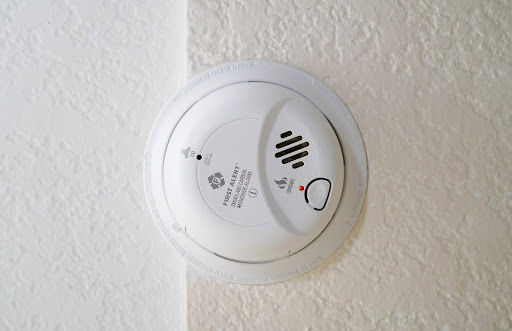
Ionisation smoke alarms are designed to detect fast-flaming fires. They work by using a small amount of radioactive material that ionises the air between two charged plates, creating an electric current.
When smoke enters the chamber, it disrupts this ion flow, triggering the alarm.
This makes ionisation smoke alarms particularly effective at detecting flaming fires, which produce smaller, less visible smoke particles.
However, due to their sensitivity, ionisation smoke alarms are prone to false alarms when installed in kitchens. Cooking smoke can easily trigger them.
For this reason, they are typically installed in:
- Bedrooms
- Hallways
- Landings
These fast-flaming fires are more likely to occur but are less likely to be triggered by everyday household activities.
Understanding the strengths and limitations of ionisation smoke alarms can help you decide if they are the right choice for your home.
Photoelectric Smoke Alarms
Photoelectric smoke alarms are designed to detect larger smoke particles, making them highly effective at sensing slow fires.
These alarms use infrared light beams that scatter when smoke enters the chamber, triggering the alarm.
They’re quite responsive to fires that begin with a long period of smouldering before bursting into flames, such as those caused by electrical faults or cigarettes.
Photoelectric smoke alarms are commonly installed in:
- bedrooms
- living rooms
- dining rooms
- landings
- hallways
They are less suitable for kitchens due to the potential for false alarms caused by cooking smoke.
They are also not ideal for areas exposed to outdoor elements or very dusty environments, as these conditions may trigger unnecessary alerts.
When placed correctly, photoelectric smoke alarms provide a reliable way to detect slow-burning fires and give occupants early warning.
Heat Alarms
Heat alarms detect rapid increases in temperature rather than smoke particles.
Instead of sensing smoke, these alarms trigger when the temperature rises above a certain threshold, typically around 58°C.
This makes them ideal for areas where smoke is often present, such as:
- Kitchens
- Garages
- Utility rooms
Heat alarms help prevent false alarms caused by cooking fumes, steam, or vehicle exhaust.
However, heat alarms are not suitable for living spaces, as they respond later than smoke alarms and may not provide enough early warning.
When installed in the correct locations, heat alarms can significantly improve overall fire safety within the home.
Combined or Multi-Sensor Alarms
Combined or multi-sensor alarms use both ionisation and photoelectric detection technology.
This allows them to detect both fast-flaming and slow-smouldering fires, providing broader protection.
Because they combine multiple detection methods, multi-sensor alarms are often better at reducing false alarms while still responding quickly to fires.
These alarms are commonly installed in:
- Bedrooms
- Living rooms
- Dining rooms
- Hallways
- Landings
However, they should still be avoided in kitchens to prevent alarms triggered by cooking activities.
Many modern fire safety systems use multi-sensor alarms that are interconnected, creating a more reliable and comprehensive fire detection system.
Battery-Powered vs Mains-Powered Smoke Alarms
When choosing between battery-powered and mains-powered smoke alarms, it is important to consider your home and installation requirements.
Mains-powered smoke alarms
- Connected directly to the home’s electrical system
- Usually include battery backup
- Recommended for larger homes
- Must be installed by a qualified electrician
Battery-powered smoke alarms
- Easier to install
- Often use sealed 10-year lithium batteries
- Require minimal maintenance
Many modern battery alarms also support wireless interlinking, allowing all alarms in the home to activate at once if one detects smoke.
Both systems can provide reliable protection when installed correctly.
Interconnected Smoke Alarms
Interconnected smoke alarms add an extra layer of protection.
When one alarm detects smoke, all alarms in the property sound simultaneously. This ensures that occupants in every room are alerted immediately.
Interconnection can be achieved through:
- Hard-wired systems
- Wireless radio links
Interlinked alarms are especially beneficial in larger homes or multi-storey properties.
Modern UK guidance increasingly recommends interconnected systems to improve early detection and evacuation time.
Smart Smoke Alarms and Modern Fire Detection
Recent advancements have introduced smart smoke alarms, which offer additional features such as:
- Mobile phone alerts when alarms go off
- Self-testing systems
- Wireless interconnection
- Integration with smart home devices
These systems can provide homeowners with greater awareness and faster response in the event of a fire.
While traditional alarms remain highly effective, smart systems are becoming increasingly popular for modern homes.
Carbon Monoxide Alarms
Carbon monoxide alarms are essential for homes with fuel-burning appliances, such as boilers, gas heaters, and fireplaces.
Carbon monoxide is a colourless gas that can be deadly if undetected. These alarms monitor carbon monoxide levels and trigger an alert if dangerous levels are detected.
Some devices combine smoke and carbon monoxide detection, providing dual protection within a single unit.
Placement and Installation Tips
Proper placement is essential for smoke alarms to work effectively.
Smoke alarms should be installed:
- On ceilings or high on walls
- At least 30 cm away from walls or light fittings when ceiling mounted
- No more than 30 cm below the ceiling when wall-mounted
In homes with sloped ceilings, alarms should be positioned within 60 cm of the highest point. Avoid placing alarms near doors, windows, or vents, as airflow can interfere with their operation.Correct installation helps ensure alarms detect smoke quickly and reliably. Clear evacuation routes and visible fire safety signs can further improve safety by guiding occupants towards exits during emergencies.
Maintaining Your Smoke Alarms
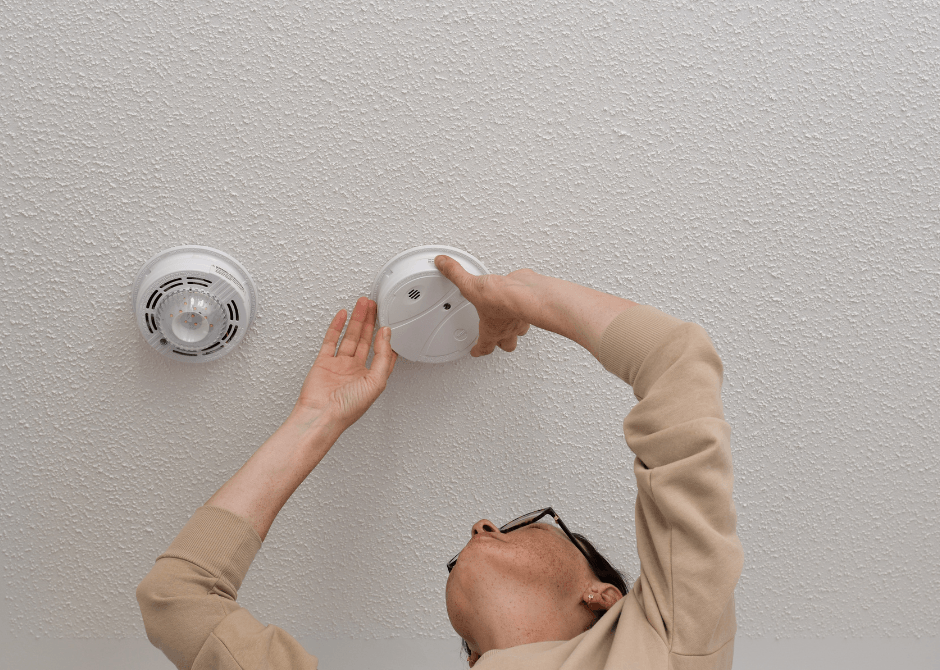
Regular maintenance is essential to ensure smoke alarms continue to work properly.
Smoke alarms should be:
- Tested monthly using the test button
- Cleaned periodically to remove dust buildup
- Checked for battery performance
If the alarm uses replaceable batteries, these should typically be replaced once a year. Smoke alarms themselves should generally be replaced every 10 years, as sensors degrade over time.
Routine maintenance ensures alarms remain ready to provide life-saving warnings.
What Is the Best Type of Smoke Alarm?
Many fire safety professionals recommend multi-sensor smoke alarms because they can detect both fast-flaming and slow-smouldering fires, offering better protection than their counterparts.
At Crusader Fire, we recommend the following setup, depending on the area of the home:
| Area of the Home | Recommended Alarm Type | Why |
| Hallways & Landings | Multi-sensor smoke alarm | Detects multiple fire types and protects main escape routes |
| Living Rooms & Bedrooms | Multi-sensor smoke alarm | Reliable detection with fewer false alarms |
| Kitchens | Heat alarm | Prevents false alarms from cooking fumes |
| Whole Property | Interlinked alarms | Ensures all alarms sound if one detects fire |
We believe these combinations provide the best fire detection, while also giving faster warnings, which will ultimately save lives in the event of a fire.
Choosing Quality Smoke Alarms
When purchasing fire safety equipment such as smoke alarms, it is important to select products that meet recognised safety standards.
Look for alarms that carry certifications such as:
- BSI Kitemark
- CE marking
- Compliance with relevant British Standards
These certifications indicate the alarm has been tested for reliability and performance. Choosing the right type of alarm for each room in your home can significantly improve fire safety.
FAQs – Smoke Alarms
What are the main differences between ionisation and photoelectric smoke alarms?
Ionisation smoke alarms detect fast-flaming fires more quickly, while photoelectric alarms are better at detecting slow-smouldering fires. Using both types improves overall fire detection.
Where should I install photoelectric smoke alarms?
Photoelectric smoke alarms are best installed in bedrooms, living rooms, hallways, dining rooms, and landings. They should generally not be installed in kitchens due to the risk of false alarms.
Why are interconnected smoke alarms important?
Interconnected alarms ensure that when one alarm detects smoke, every alarm in the home sounds, giving occupants more time to escape safely.
How often should I test my smoke alarms?
Smoke alarms should be tested once a month to ensure they are functioning correctly.